When it came time to name Fort Bend County’s newest news platform, we took time to consider how the name would reflect our mission and identity. We wanted something bold, timeless, and reflective of both our community and the wider world.
That’s how Fort Bend Falcon was born. But why did we choose a falcon, and not some other bird, animal, or symbol to represent our unique county in southeast Texas? Let’s take a look!
A Local Connection
At first glance, a falcon might seem like a random mascot for a suburban Texas news media platform, but it’s more connected to our region than you might think!
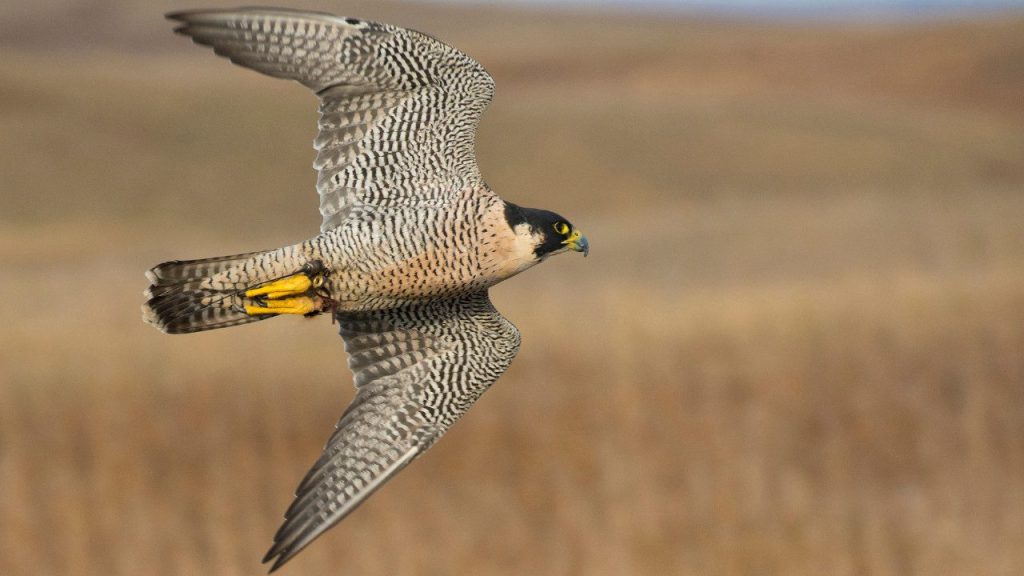
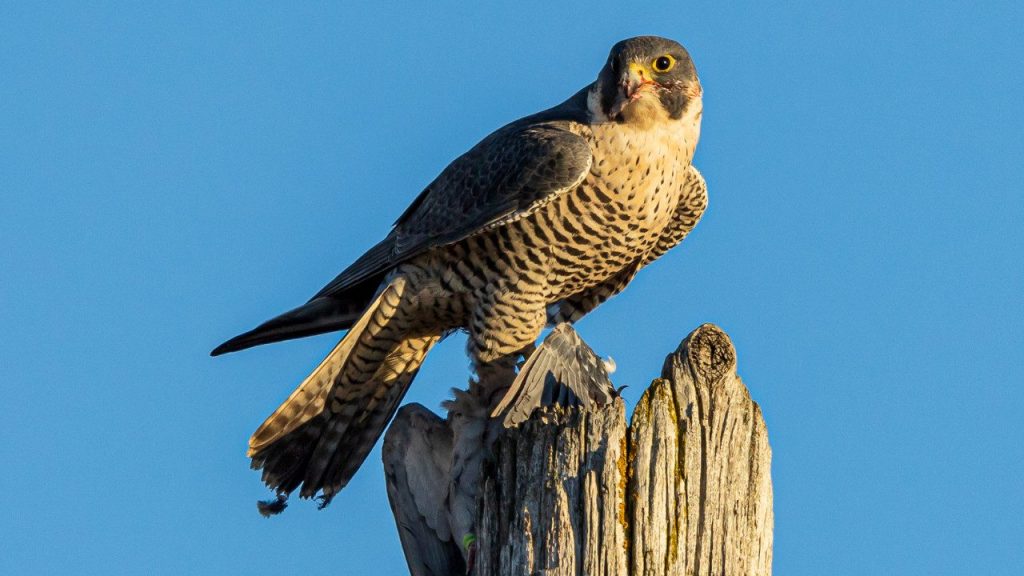
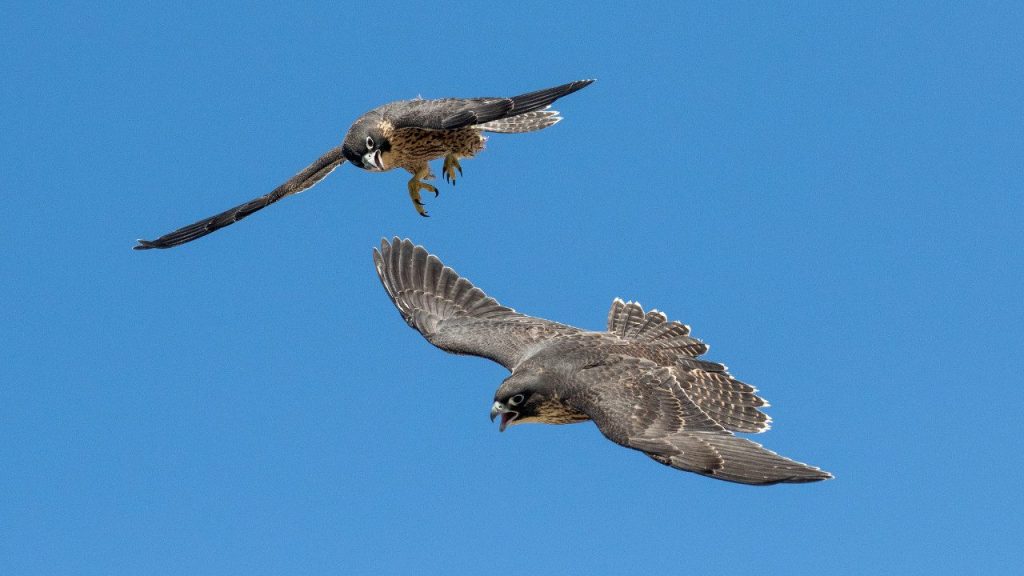
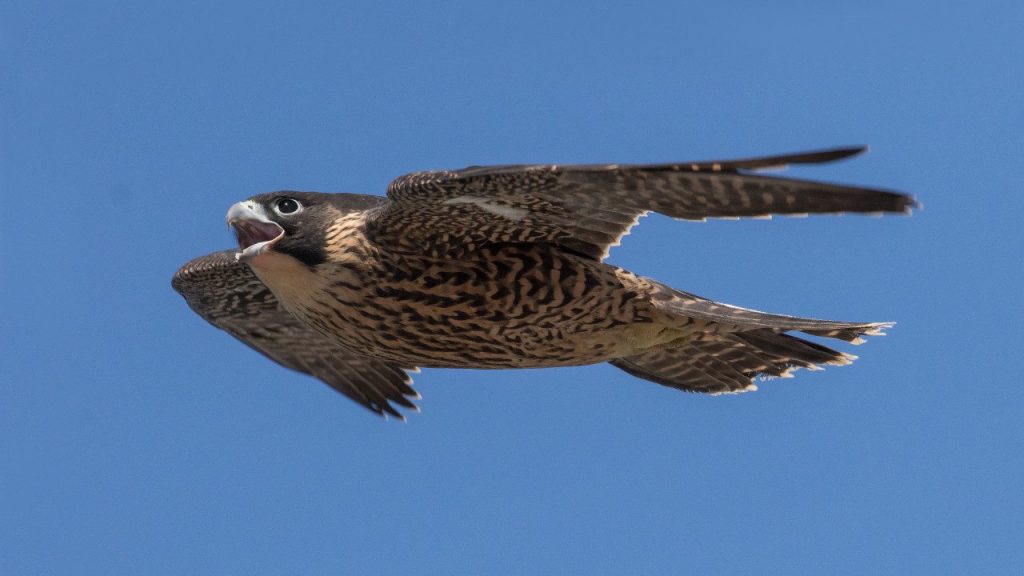
If you take a walk in downtown Houston, you might spot a peregrine falcon soaring high above the skyscrapers or perched on a ledge. These birds thrive in urban environments because of their abundant food supply (mainly pigeons and doves) all over the city. Thanks to this reliable buffet, peregrine falcons don’t just migrate through our area; they stick around throughout the entire year.
Falcons are also among the most widespread birds on the planet. Whether you’re walking through a field in Texas or hiking a mountain trail in Taiwan, chances are you’ve seen or heard of a peregrine falcon (exceptions for those of you Kiwis who know the New Zealand Falcon).
In a county as diverse and globally connected as Fort Bend, this makes the falcon an ideal symbol. Both local and global, like many of the people who call this place home. Like us, they chose to stay.
A Cultural Symbol Across Civilizations
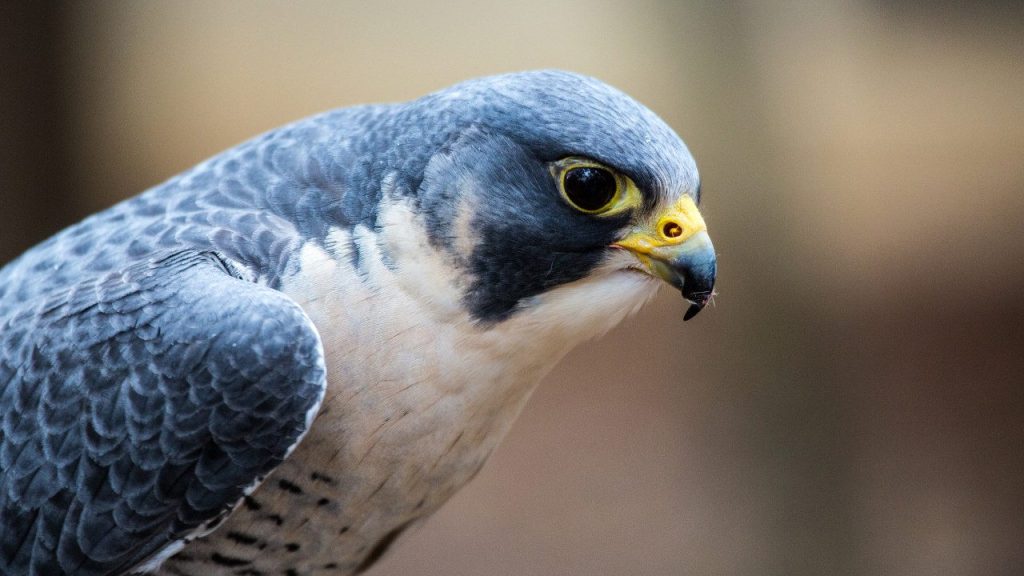
Falcons have carried meaning for humanity for thousands of years, transcending cultures, continents, and belief systems. Their image has always stood for vision, power, and resilience.
Here are some ways falcons have appeared in a variety of world traditions:
- Norse mythology: The goddess Freyja wore a cloak of falcon feathers, enabling her to travel between worlds.
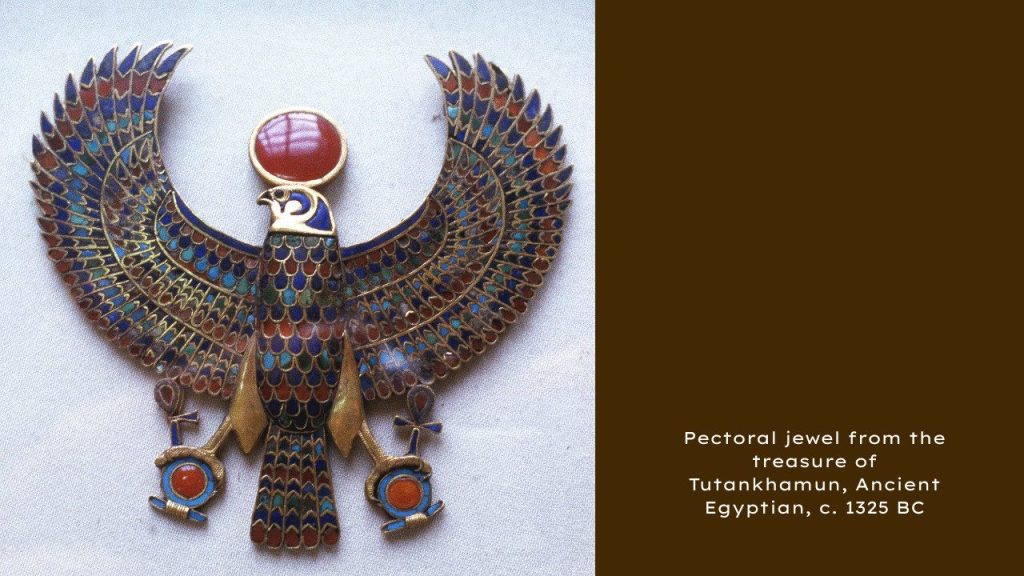
- Ancient Egypt: Gods like Khonsu and Horus were depicted with falcon heads. Khonsu, whose name means “traveler,” was associated with the moon, while Horus symbolized the sky, embodying both the sun and the moon as he soared across the heavens.
- Native American traditions: In Mississippian culture, peregrine falcons represented celestial power. High-ranking individuals were sometimes buried with falcon-themed regalia to symbolize their status and strength.
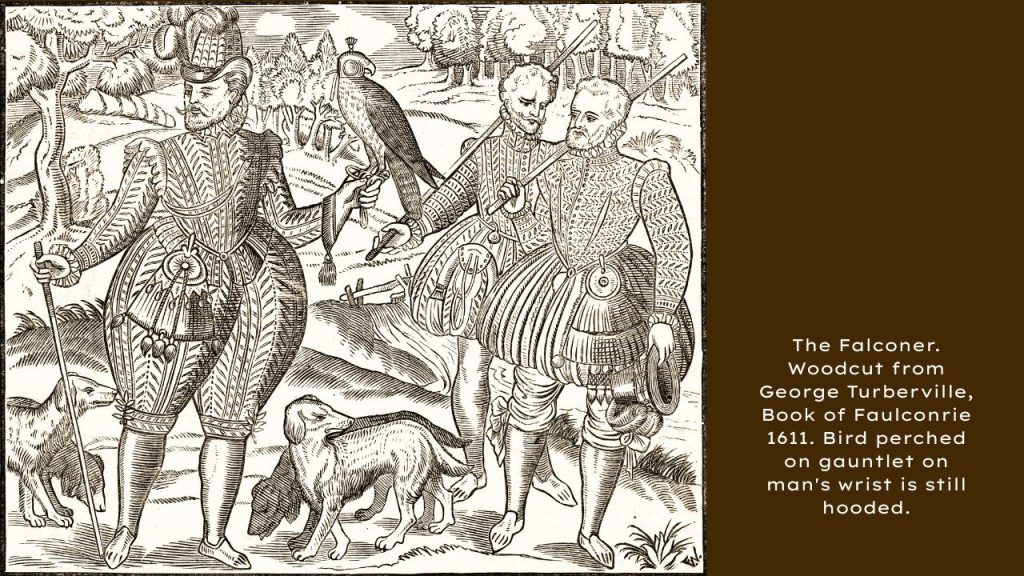
- Medieval Europe: Falcons weren’t just admired, they were honored. In the hierarchy of birds of prey, peregrines were associated with princes, considered just below the gyrfalcon, the “king’s bird.” Nobility used falcons for hunting, valuing their courage, speed, and precision.
A Story of Resilience
Falcons aren’t just historic symbols; they’re survivors. In the mid-20th century, the widespread use of the pesticide DDT nearly drove peregrine falcons to extinction in North America. Their eggshells thinned, populations plummeted, and many feared the falcons would die off forever.
Thanks to conservation efforts, peregrines made one of the most remarkable comebacks in wildlife history. Today, they’ve adapted to thrive not just on rural cliffs and open landscapes, but also in bustling cities, Houston included. This resilience mirrors Fort Bend: a community that has the ability to grow, adapt, and flourish in the face of challenges.
Speed and Precision
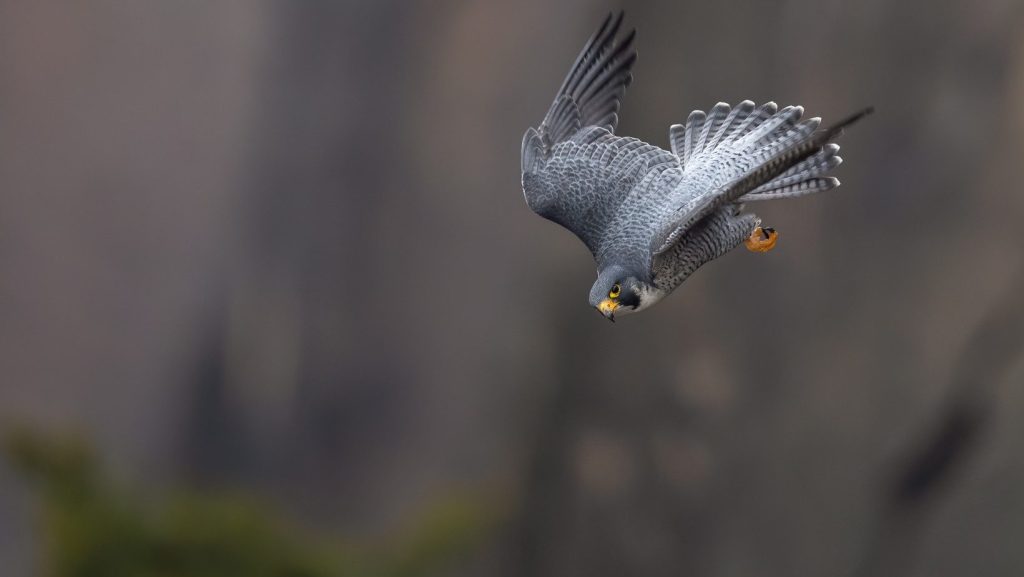
The peregrine is the fastest animal on earth, over 200 miles per hour in a dive, but speed is not the point. Each eye contains two distinct areas of sharp focus, against the single fovea that humans manage. Falcons do not simply move fast. They see clearly, at speed, under pressure. The velocity and the precision are not in competition. They depend on each other entirely.
That is the standard we are holding ourselves to. Fast when the story requires it. Precise when precision is what separates journalism from noise. Clear-eyed about the difference between the two, and honest when we fall short of either.
So, Why a Falcon?
Fort Bend County deserves journalism that takes it seriously. Not aggregated wire copy with a local dateline. Not press releases dressed up in neutral language and published without a question asked. Reporting, done by people who live here, whose children go to school here, who know which roads flood first.
We will cover the commissioners court and the school board and the decisions made in closed sessions that affect people who were never invited into the room. We will report on things that powerful interests in this county would prefer went unreported. We will get things wrong, as every publication does, and when we do we will correct the record plainly, without burying the correction where no one will find it.
Journalism is not a neutral act. It is a series of choices about what matters and who gets to say so. We have made our choice. It is this county, in all its difficulty and complexity, reported without fear or favor.
The falcon does not circle forever. Eventually it tucks its wings, fixes its gaze on a single point, and commits to the dive entirely.
So do we.
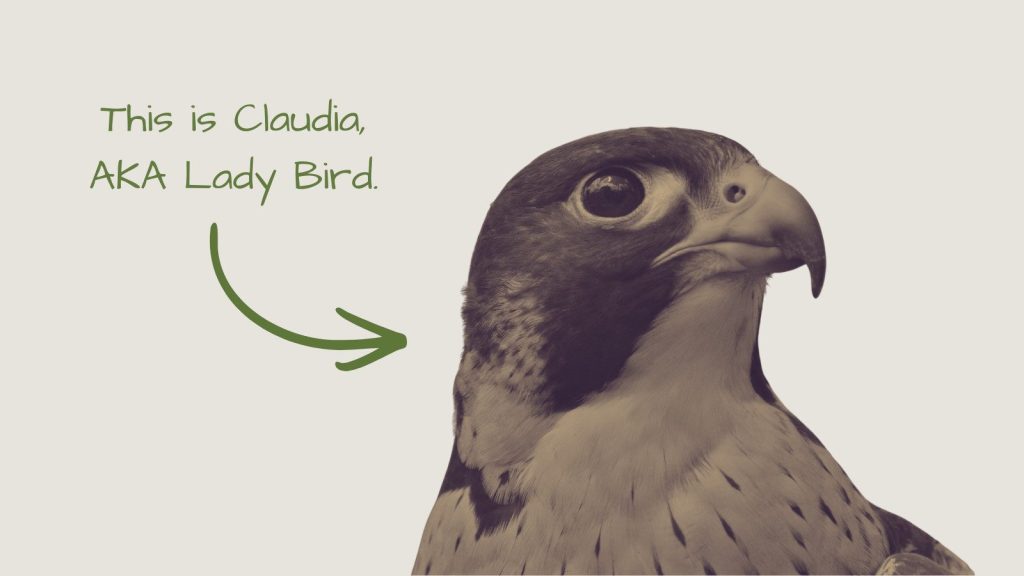
One more thing, the falcon in our logo? She has a name. It’s Claudia. You know, Lady Bird.